
Last updated September 21, 2026
Full 25-point door and opener safety check with every visit - springs, cables, rollers, tracks, and your LiftMaster or Chamberlain opener included
You get a price before we start. It does not change when the truck arrives.
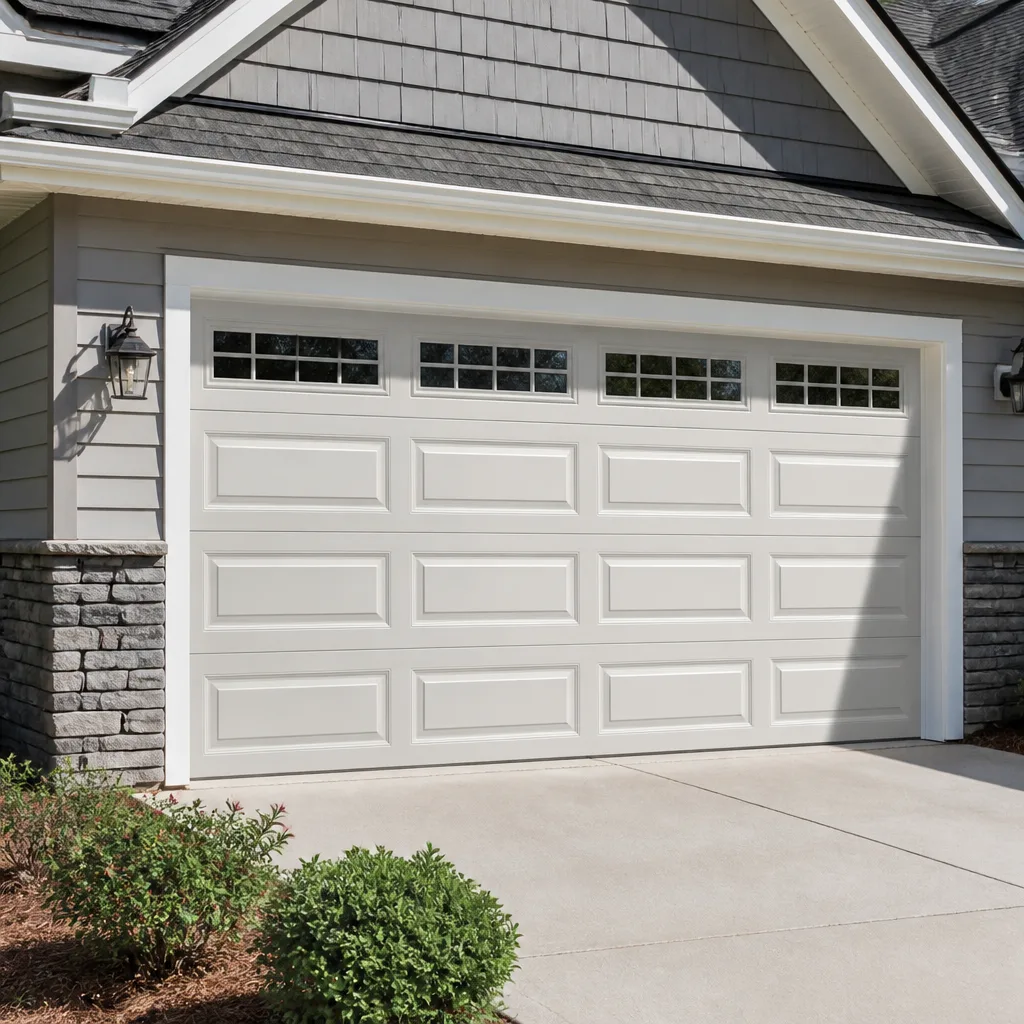
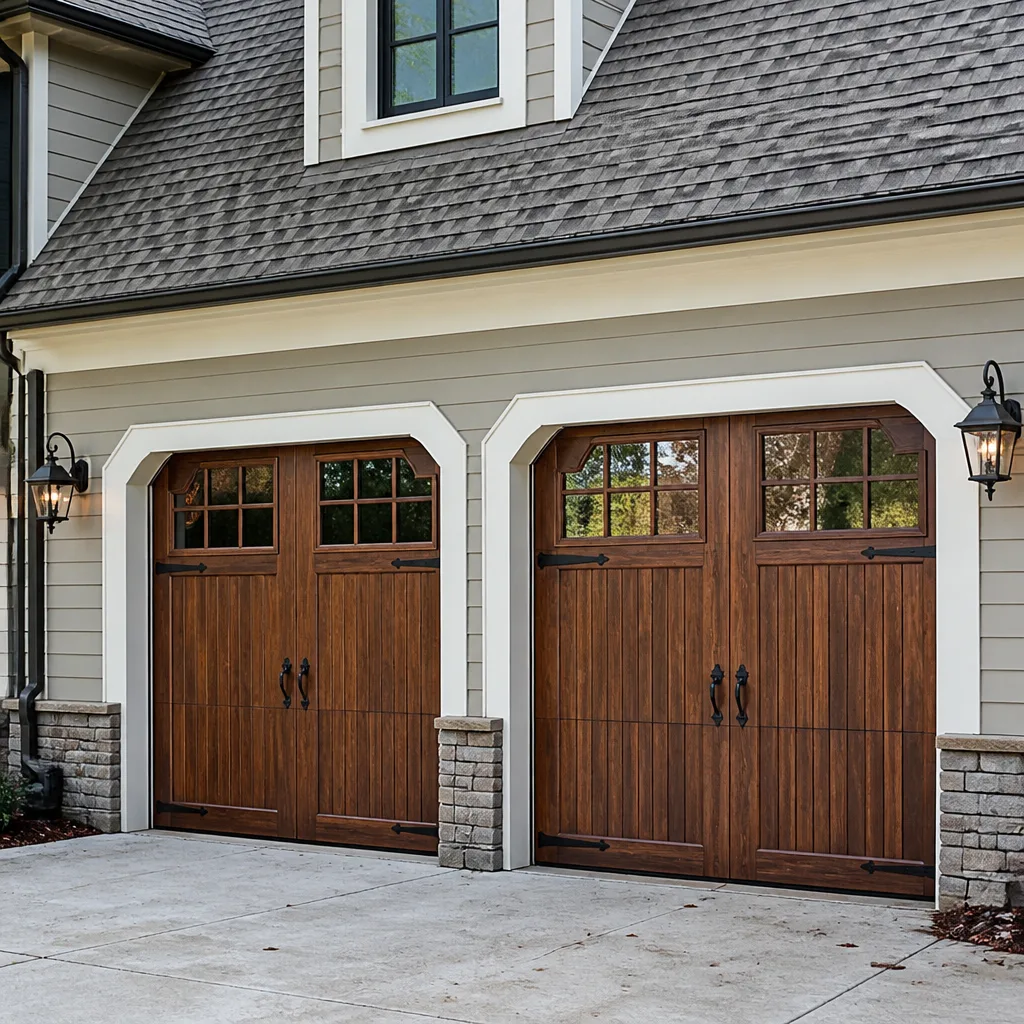
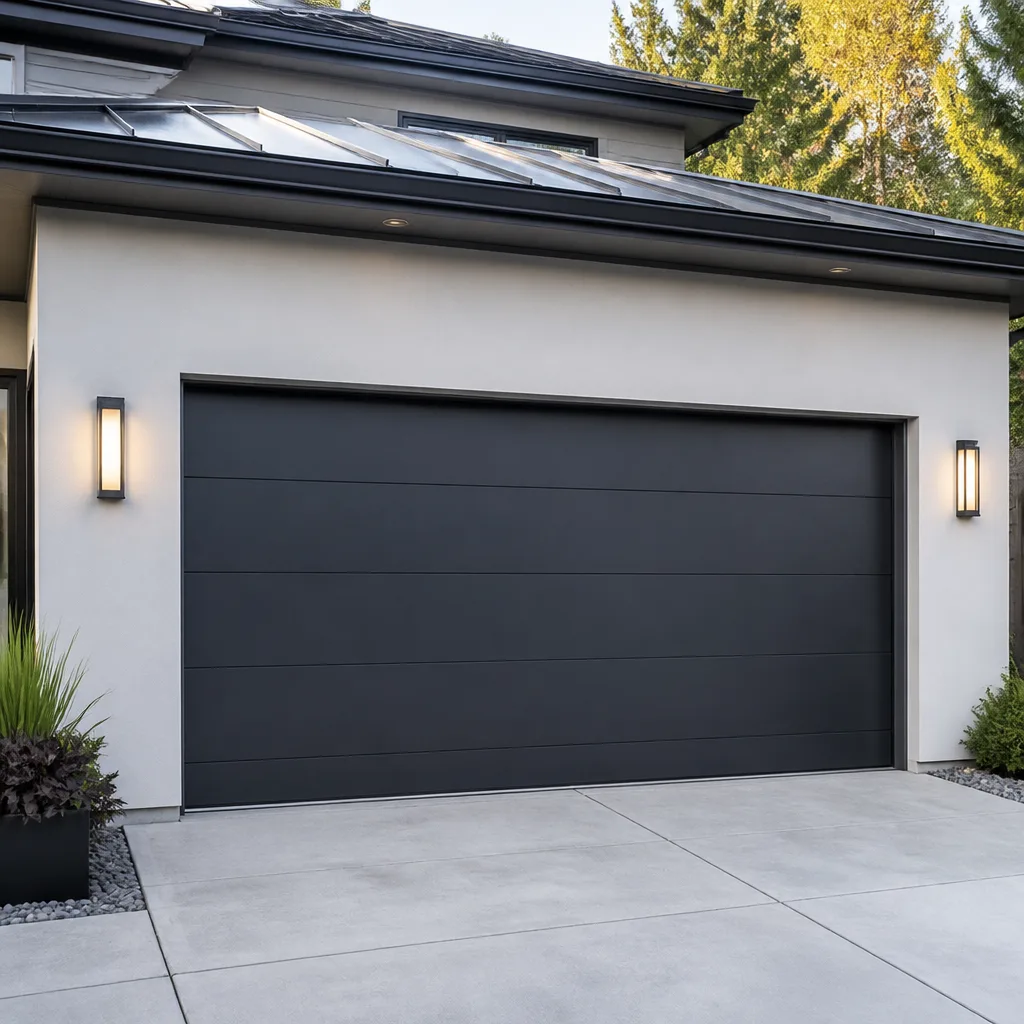
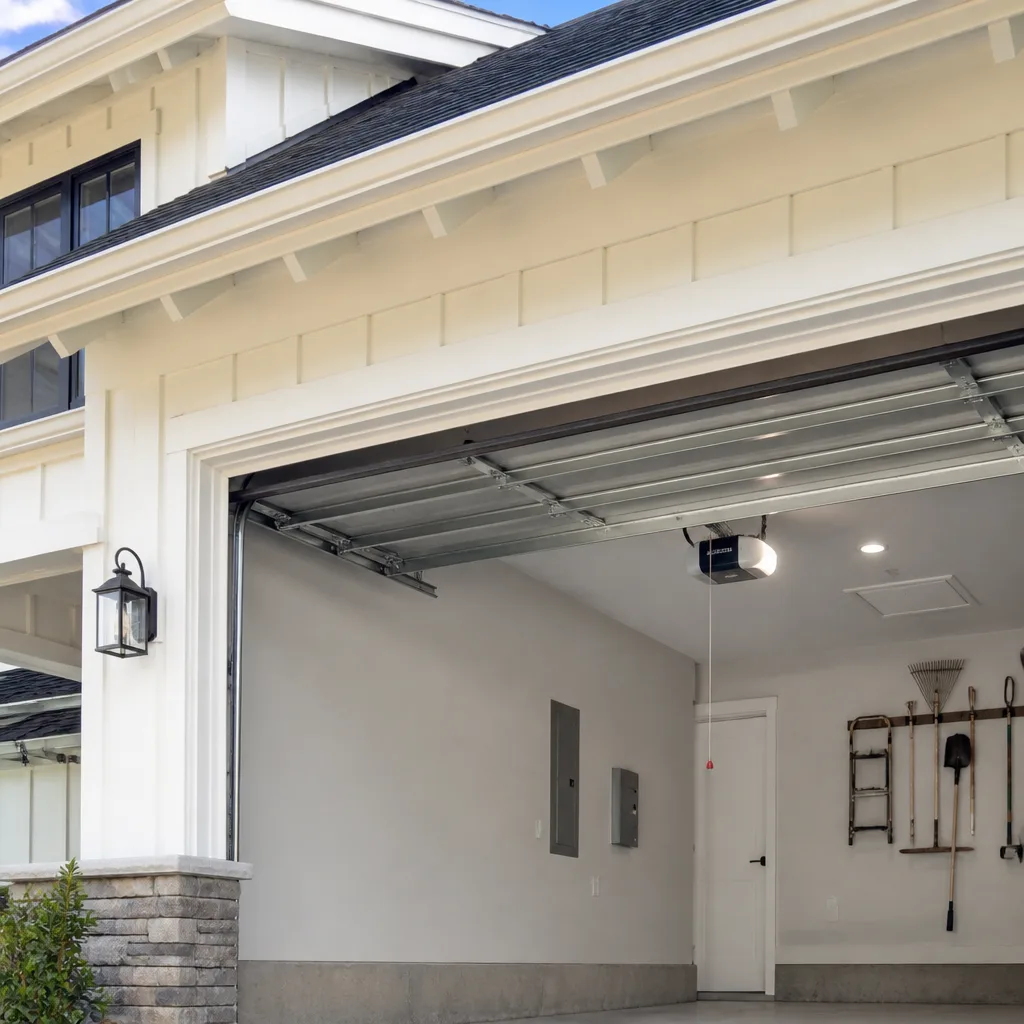
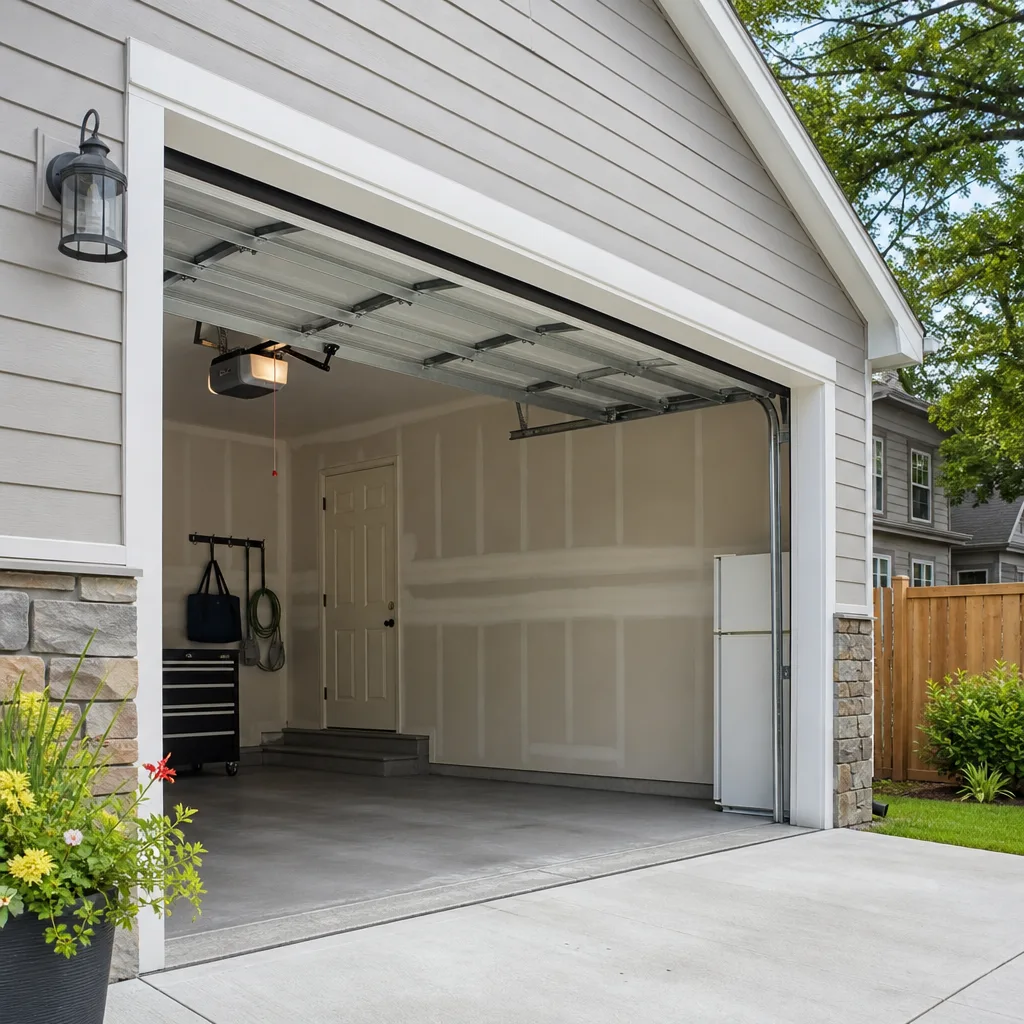
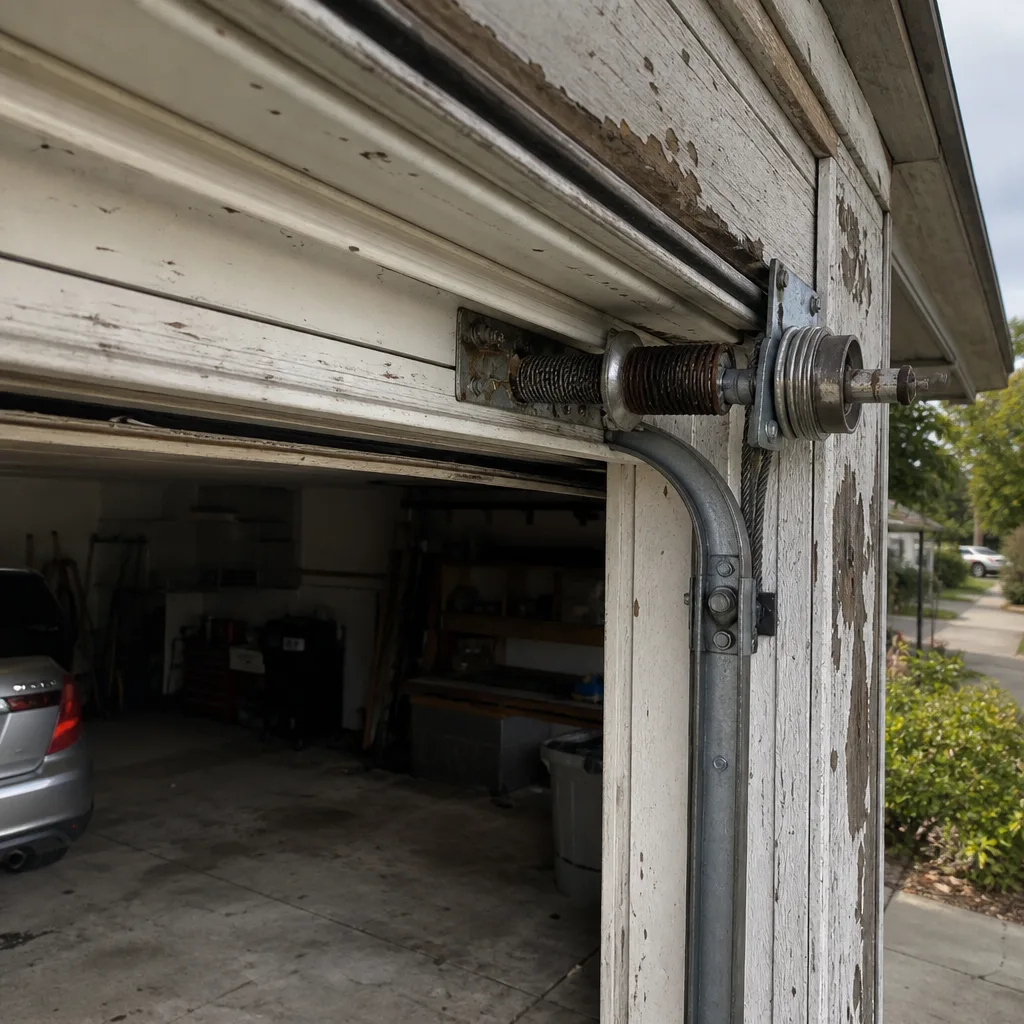 Before
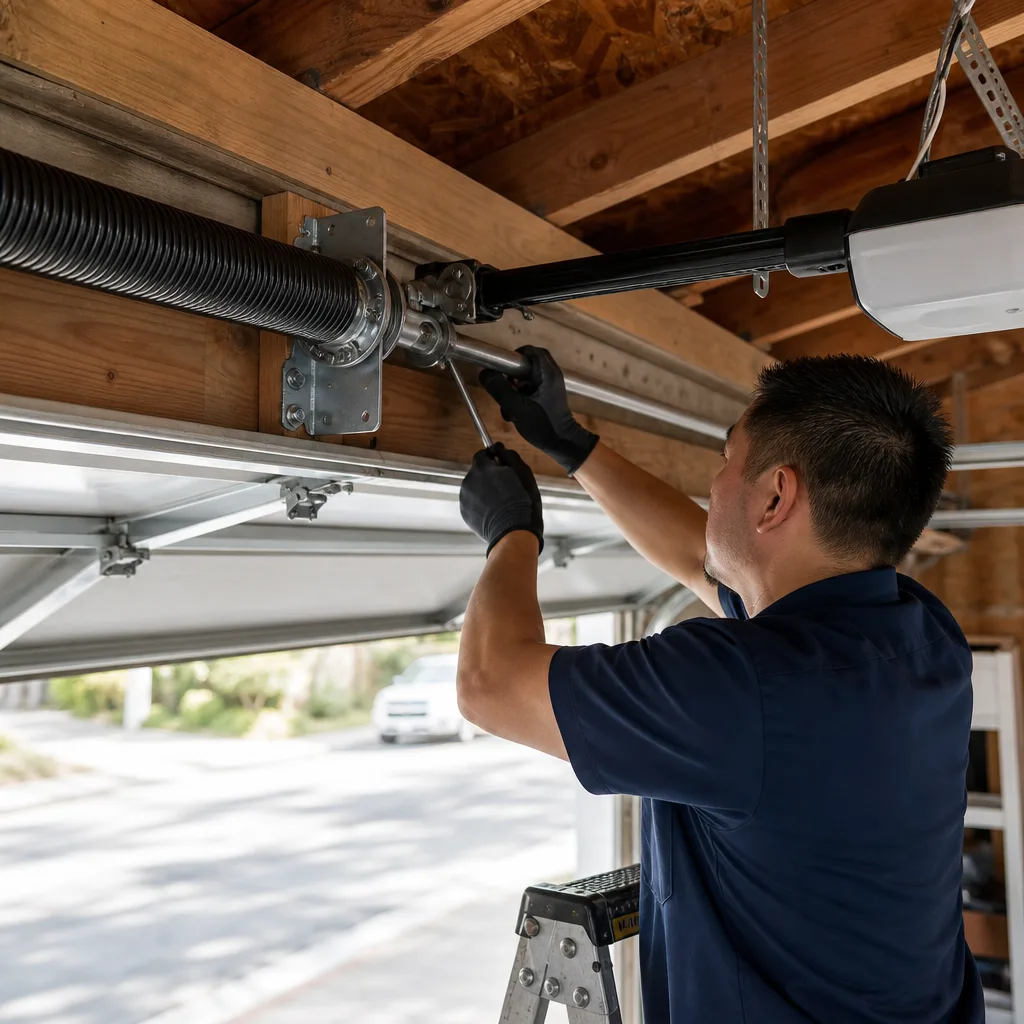 After
After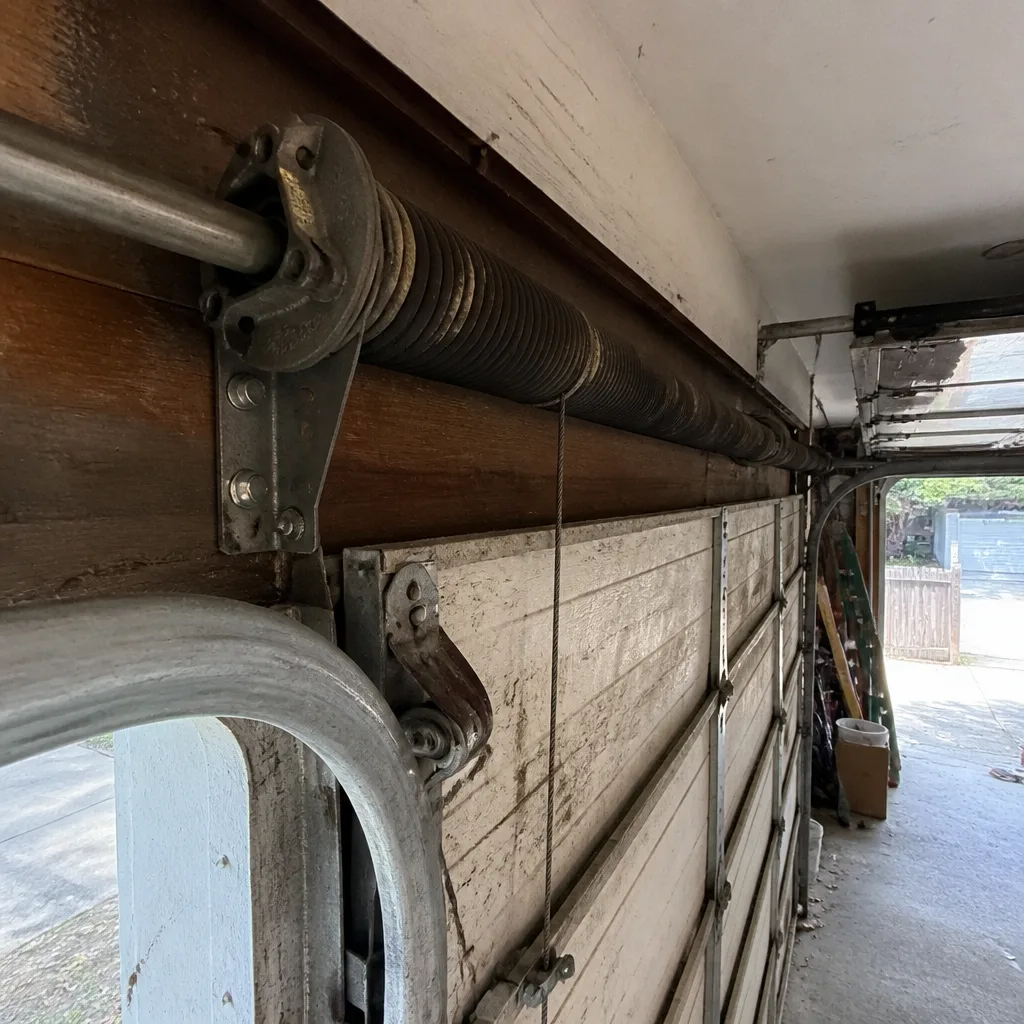 Before
 After
After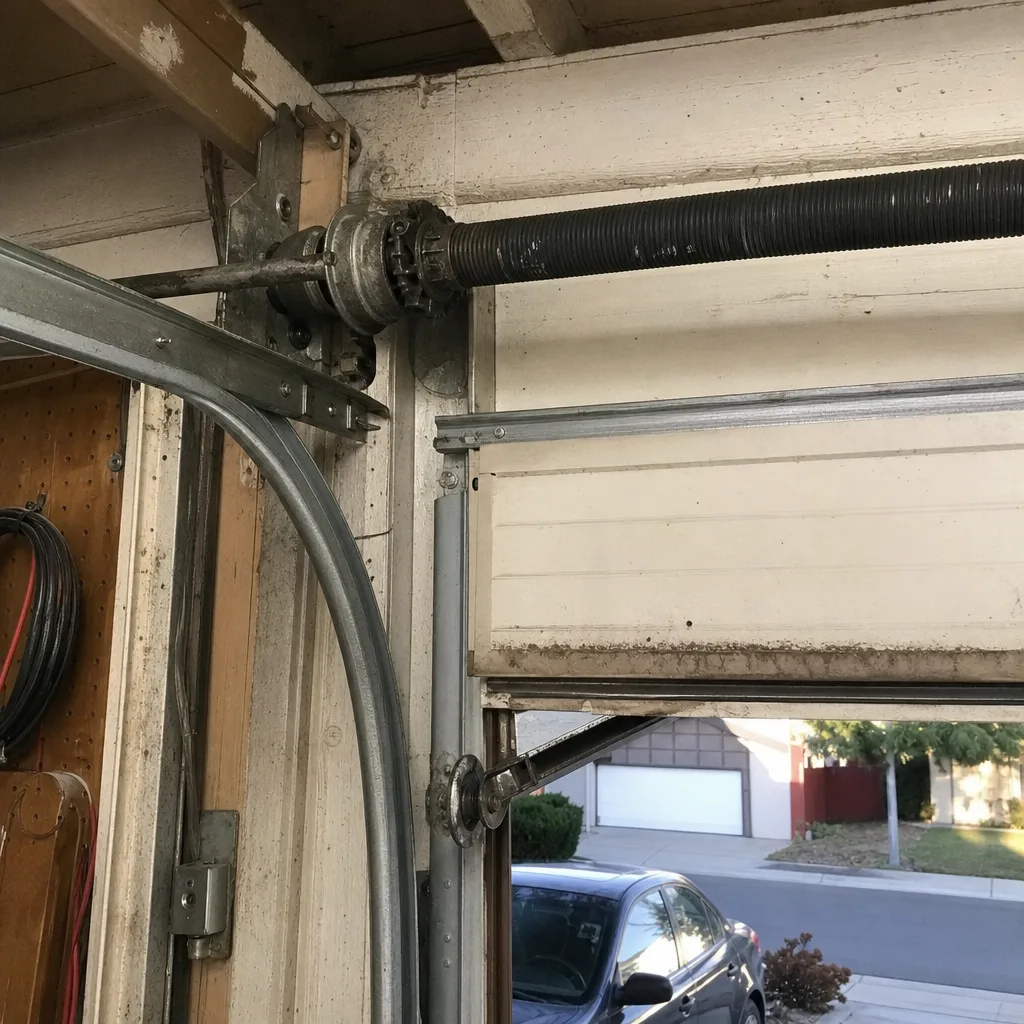 Before
 After
AfterThe Complete Guide to Garage Door in Walnut Creek
The most common garage door mistake in Walnut Creek isn’t picking the wrong color. It’s buying a residential-grade torsion spring for a door that weighs 40 lbs more than the installer measured. We’ve seen it repeatedly in neighborhoods from Servo Garage Doors Walnut Creek home: a new door goes in, the spring cycles out in eighteen months, and the homeowner pays twice for what should have lasted a decade. This guide maps the full decision stack - panel material, spring type, opener class, insulation rating - so you arrive at any contractor conversation knowing exactly which questions expose a lazy quote.
Quick Answer
A garage door in Walnut Creek is a system of interdependent choices: steel or composite panels rated for Diablo wind load, a torsion spring calibrated to actual door weight, an opener with horsepower matched to panel count, and insulation appropriate for east-facing exposure. Get one layer wrong and the next repair bill follows in two to four years. The right stack starts with an accurate weight measurement and ends with a written, itemized price before any work begins. For context on whether to tackle aspects yourself, see our DIY vs Professional Garage Door: The Walnut Creek Homeowner’s Decision Guide.
Table of Contents
- How Walnut Creek’s Climate Affects Your Garage Door
- Panel Materials: What Works Here and What Doesn’t
- Spring Configurations and Weight Matching
- Opener Horsepower Math
- How to Read a Garage Door Quote Line-by-Line
- Permits and Inspections in Contra Costa County
- Brand Ecosystems: What Compatibility Actually Means
- Maintenance That Prevents Emergency Calls
 Before
 After
AfterHow Walnut Creek’s Climate Affects Your Garage Door
Walnut Creek sits in a rain shadow east of the Oakland-Berkeley hills, which means dry heat dominates from May through October and the Diablo wind events arrive each autumn with sustained gusts that test every exterior component. A garage door here faces UV exposure that degrades unprotected wood composites and thermal cycling that loosens hardware faster than in coastal zones.
We’ve documented this in our photo records across the city. In the Saranap area, south-facing doors without polyurethane backing show panel face deformation within four years. In the hills above Rudgear Road, wind load has bent top sections on doors installed without reinforced struts. The climate isn’t subtle here, and the material choice needs to account for it directly.
What the dry heat does: UV breaks down polymer binders in lower-grade steel coatings. Temperature swings between 55°F mornings and 95°F afternoons expand and contract panel skins, stressing corner joints. Without insulation, the interior face of an unbacked steel panel can reach 140°F, cooking the finish from the inside out.
What the Diablo winds do: Sustained 25-35 mph gusts with higher peaks create lateral load on the door face. A standard 16×7 residential door presents roughly 180 square feet of sail area. Without adequate horizontal reinforcement, the top section bows, the rollers bind in the track, and the opener strains against a door that no longer moves freely.
The material that holds up: 24- or 25-gauge steel with polyurethane foam backing, not polystyrene. Polyurethane adheres to the panel skins, adding structural rigidity and thermal stability. Polystyrene is a loose insert that does neither. For wood-look finishes, ask for a composite skin over steel, not a wood-composite panel - the latter absorbs moisture during winter fog events and delaminates by year three.
Insulation rating for Walnut Creek: R-8 to R-12 is the practical range. Higher than R-12 adds cost without measurable return in this climate. Lower than R-8 and the garage becomes unusable as workspace from June through September, and the thermal stress on the door increases.
Panel Materials: What Works Here and What Doesn’t
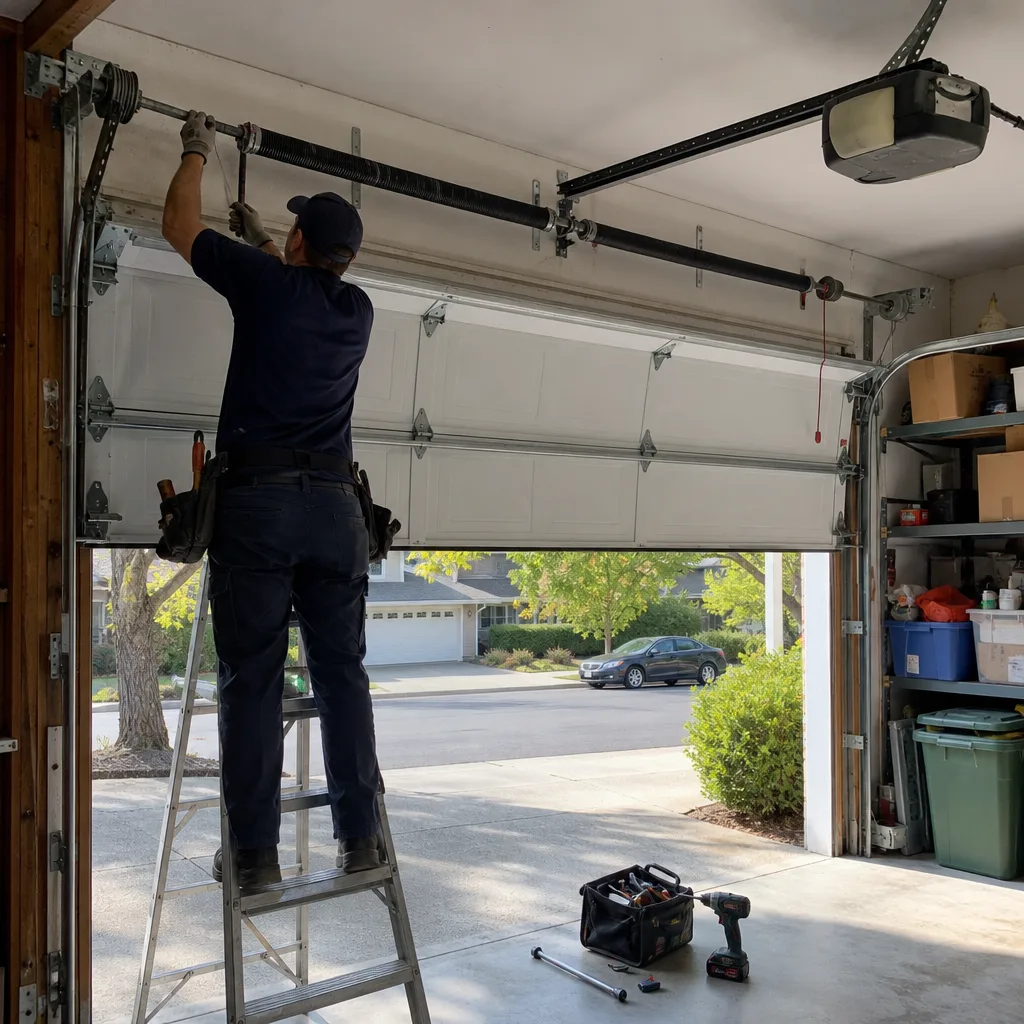
The panel material decision is where most homeowners start and where many contractors stop asking questions. In Walnut Creek, the wrong material choice shows up as a callback within three to five years.
Steel with polyurethane backing: This is what we install most often, and for specific reasons. The steel gauge matters - 24-gauge for single-layer doors, 25-gauge minimum for insulated. The polyurethane density matters too: 2 lb/ft³ provides the structural bond and thermal performance. We specify this for every Garage Door Installation in Walnut Creek where the door faces south or west.
Wood composite (fiberboard or strand): We don’t recommend it for exterior exposure in this climate. The dry season shrinks the material, opening seams. Winter fog swells it, closing gaps unevenly. By year four, the panel edges no longer seat squarely in the track. We’ve replaced dozens of these in the Lakewood and Walnut Heights neighborhoods where they were sold as “maintenance-free wood look.”
Full-grain wood (cedar, redwood): Appropriate for covered or recessed entries only. Requires resealing every two years in Walnut Creek’s UV exposure. Beautiful, expensive, and high-maintenance. We document the maintenance schedule in writing when we install these - Clause 1 of The Haven Standard requires the full scope, including future care, to be stated upfront.
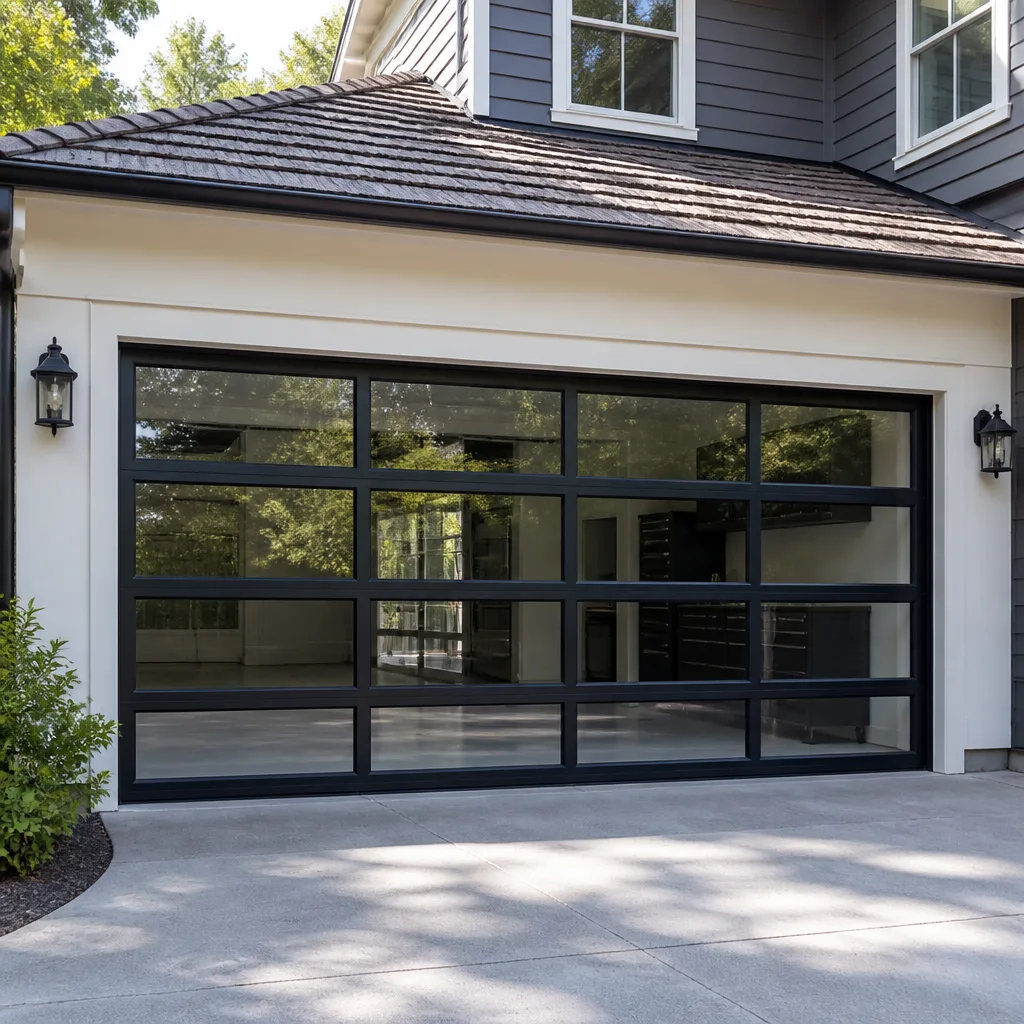
Aluminum and glass: Popular for modern architecture in the Castle Hill area. The frame is extruded aluminum, the panels are tempered glass. Wind load is the concern - these doors need heavier-gauge track and more attachment points to the jamb. We specify commercial-grade hardware even on residential installations.
Key specification to demand: Wind load rating in pounds per square foot. For Walnut Creek, 20 psf minimum for standard installations, 30 psf for hillside exposures. A contractor who can’t state this number is guessing.
Spring Configurations and Weight Matching
This is where the 40-lb measurement error happens. The spring does the lifting; the opener only guides. A spring mismatched to door weight fails early, damages the opener, and creates a safety hazard when it breaks.
Three configurations, three weight ranges:
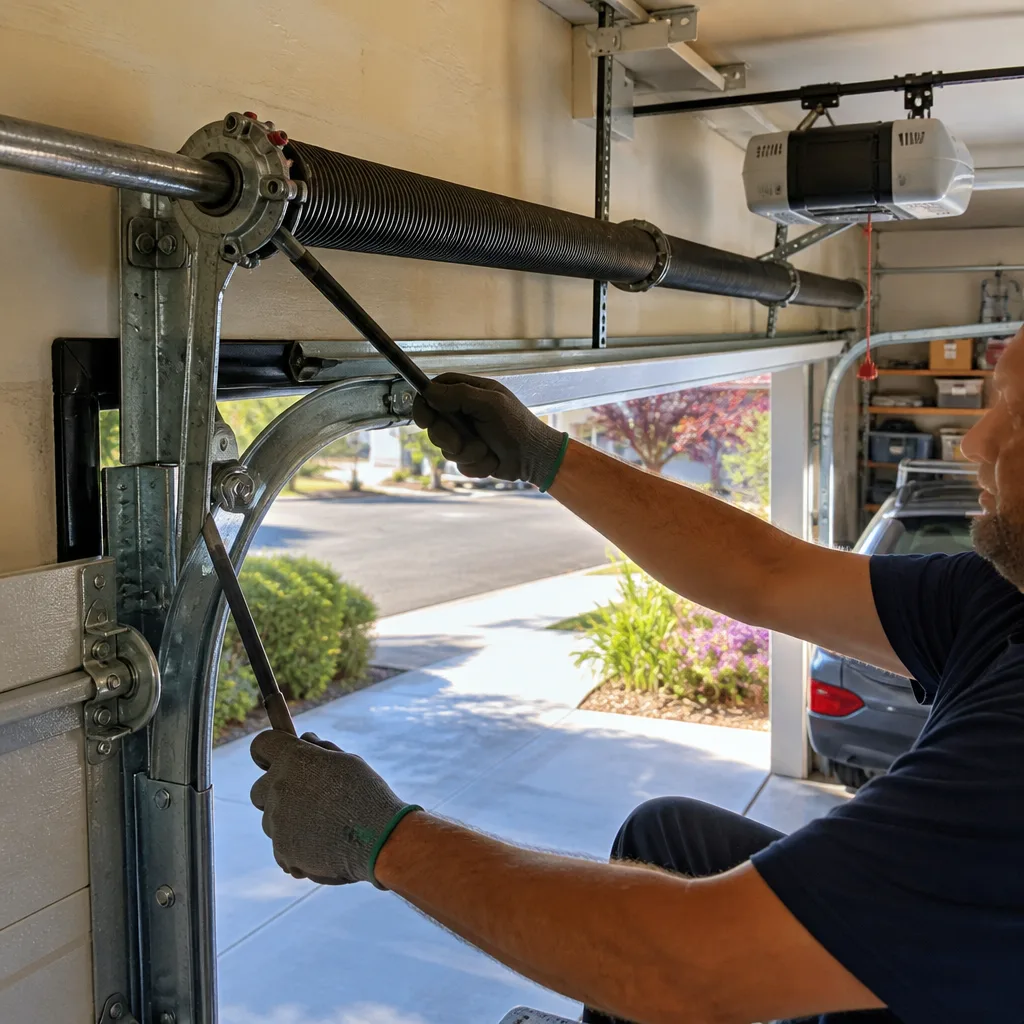
- Torsion springs: Mounted on a shaft above the door opening, these handle 150 to 400+ lb doors. They’re the standard for modern residential doors 14 ft wide and up. The spring is wound to a specific torque based on door weight, track radius, and drum size. In Walnut Creek, we specify oil-tempered wire for dry-heat durability; galvanized wire is prettier but work-hardens faster in thermal cycling.
- Extension springs: Mounted parallel to the horizontal tracks, these handle lighter doors - 80 to 150 lb, typically 8 to 9 ft wide. They’re less common now but still found on older homes in the downtown Walnut Creek historic district. The danger is the stretch cycle: when they break, they can release stored energy unpredictably. Safety cables through the spring center are mandatory, not optional.
- EZ-Set torsion: A pre-wound spring system in a containment tube, designed for lighter doors up to about 180 lb. Marketed as DIY-friendly, which is precisely why we see them fail. The contained spring limits adjustment range; a door that’s even 10 lb heavier than spec will over-cycle the spring in two years.
Failure signatures of a mismatched spring:
- Door feels heavy to lift manually - spring is undersized
- Opener strains or stalls at the midpoint - spring torque is wrong for the track radius
- Door rises too fast and slams closed - spring is oversized
- Spring breaks in less than 8,000 cycles (roughly 5-7 years of normal use) - wire diameter or length was calculated incorrectly
We measure every door with a calibrated scale before quoting spring work. The weight determines the wire diameter, the inside diameter, and the total coil count. No exceptions. Clause 4 of The Haven Standard is why the technician photographs the failed part before quoting a replacement - you see the break pattern, which tells you whether the original spring was correct.
For Garage Door Repair in Walnut Creek, spring replacement is our most common call. The difference between a proper spec and a guess is five to ten years of service life.
Opener Horsepower Math
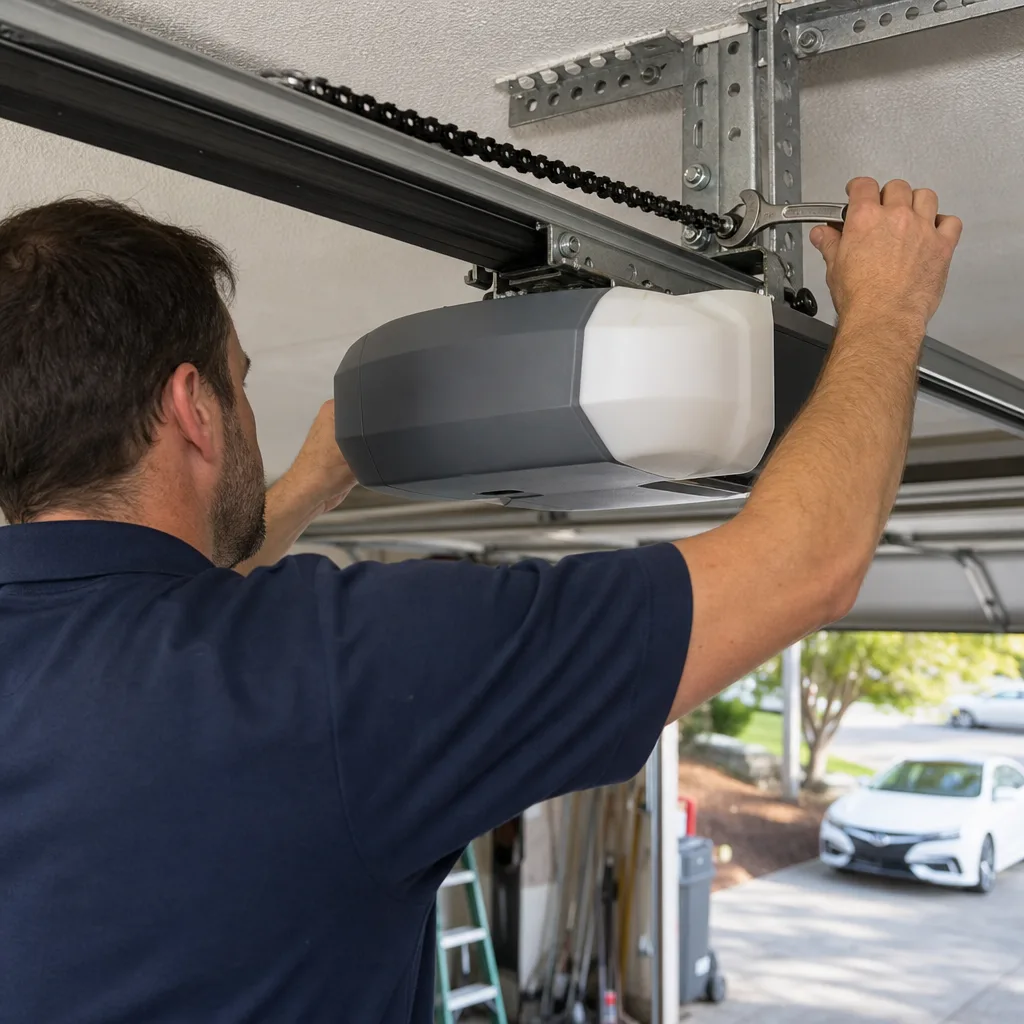
The opener doesn’t lift the door. The spring does. The opener controls the speed and provides backup force. But get the horsepower wrong and you pay for it in premature gear wear, logic board failure, or a door that reverses unpredictably.
The calculation: Door weight divided by panel count, plus a factor for track type. A 16×7 steel door at 180 lb with four panels needs different torque than the same weight in five panels, because the hinge geometry changes the force distribution.
| Door Weight | Panel Count | Minimum Motor Class | Recommended Drive Type |
|---|---|---|---|
| Under 120 lb | 4 or 5 | 1/2 HP | Belt or chain |
| 120-180 lb | 4 | 3/4 HP | Belt (quieter) or chain |
| 120-180 lb | 5 | 3/4 HP | Belt preferred |
| 180-250 lb | 4 or 5 | 1 HP | Belt or screw drive |
| Over 250 lb | 4 or 5 | 1-1/4 HP | Chain or direct drive |
Oversizing isn’t waste: A 1 HP opener on a 150-lb door runs cooler, cycles slower (which is gentler on door hardware), and has headroom for future door upgrades. The upfront cost difference is $80-$140. The replacement cost of a burned-out 1/2 HP unit is $350-$500 installed. We’ve tracked this in our records: oversized openers in Walnut Creek homes average 14 years before replacement; undersized units average 6.
Drive type selection: Belt drive is quieter and standard for attached garages in neighborhoods like Buena Vista where bedrooms share a wall with the garage. Chain drive is more durable for heavy doors and detached garages. Screw drive has fewer moving parts but requires precise alignment - we specify it only when the header mount is rock-solid, which is rare in older Walnut Creek construction with framed headers.
Smart features that matter: Battery backup is code in California for new installations - the door must operate during power outage. Wi-Fi connectivity is useful for vacation homes in the Walnut Creek hills. Timer-to-close is practical for households with teenagers. We specify Chamberlain and Genie models that integrate with home automation systems our customers already use.
For Garage Door Opener Repair & Installation in Walnut Creek, we start with the door weight measurement, then match the motor class, then discuss features. The alternative - starting with feature lists - is how homeowners end up with quiet openers that burn out in four years.
How to Read a Garage Door Quote Line-by-Line
The quote is where The Haven Standard does its work. A proper quote is a contract preview, not a teaser. Here’s what to demand and what to reject, including a clear Garage Door Cost Breakdown: The Walnut Creek Homeowner’s Reference for 2026.
What “labor included” usually omits: Disposal of the old door. Travel time for two technicians on a heavy door. Track modification when the new door’s radius differs from the old. Jamb repair if the existing framing is rotted or out of plumb. We itemize these separately so the written price is the complete price.
The line items we provide on every quote:
- Door model and size: Manufacturer, model number, panel style, color code, window insert type if applicable. Not “steel door, white.”
- Spring specification: Wire diameter, inside diameter, total coils, wind direction, cycle rating (10,000 or 25,000). This is how you verify the spring matches the door weight.
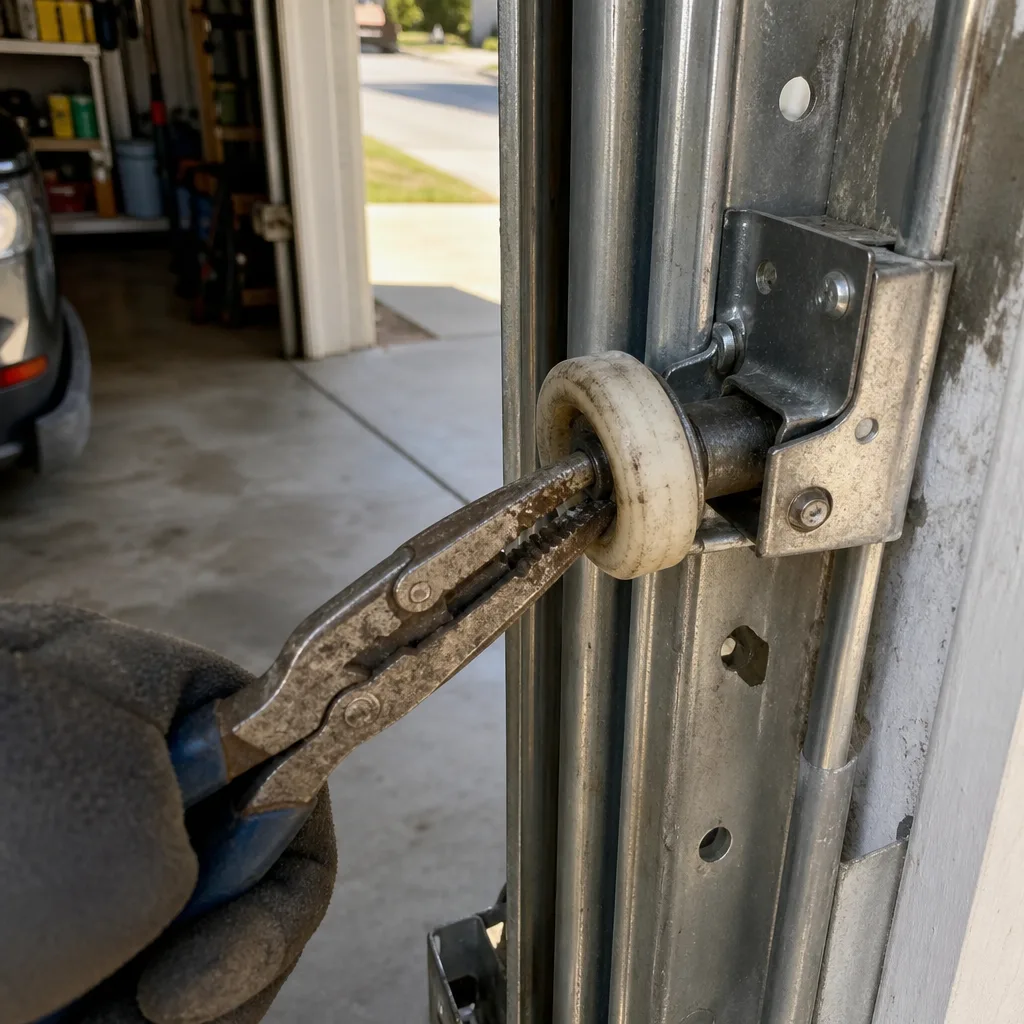
- Track and hardware: Track gauge (14-gauge minimum for residential, 12-gauge for heavy doors), roller type (steel or nylon, ball-bearing or plain), hinge count and gauge.
- Opener model and features: Manufacturer, model number, horsepower, drive type, included accessories (remotes, keypad, safety sensors).
- Labor scope: Removal, installation, adjustment, testing, cleanup. Stated in hours or as a flat rate with hour estimate.
- Permits and inspections: When required, who obtains them, fee amount.
- Warranty terms: Door panel, spring, hardware, opener, labor - each stated separately with duration and coverage limits.
Red flags in a quote: Round numbers ($2,000, $3,500) without component breakdown. “Or equivalent” language that lets the contractor substitute cheaper materials. Missing spring specification. No mention of track gauge. A labor line that’s a percentage of material cost rather than a stated scope.
The written-price-first rule: Clause 1 of The Haven Standard requires a flat, written price and written scope before any work begins. We don’t start until you’ve seen and approved both. The photo record follows - Clause 4 documents what we found and what we did, delivered to you before the technician leaves.
Free Second Opinion: Bring us any written estimate from another company. We’ll review it line by line, note what’s specified and what’s assumed, and quote our own work with the same detail. No coupon required.
Permits and Inspections in Contra Costa County
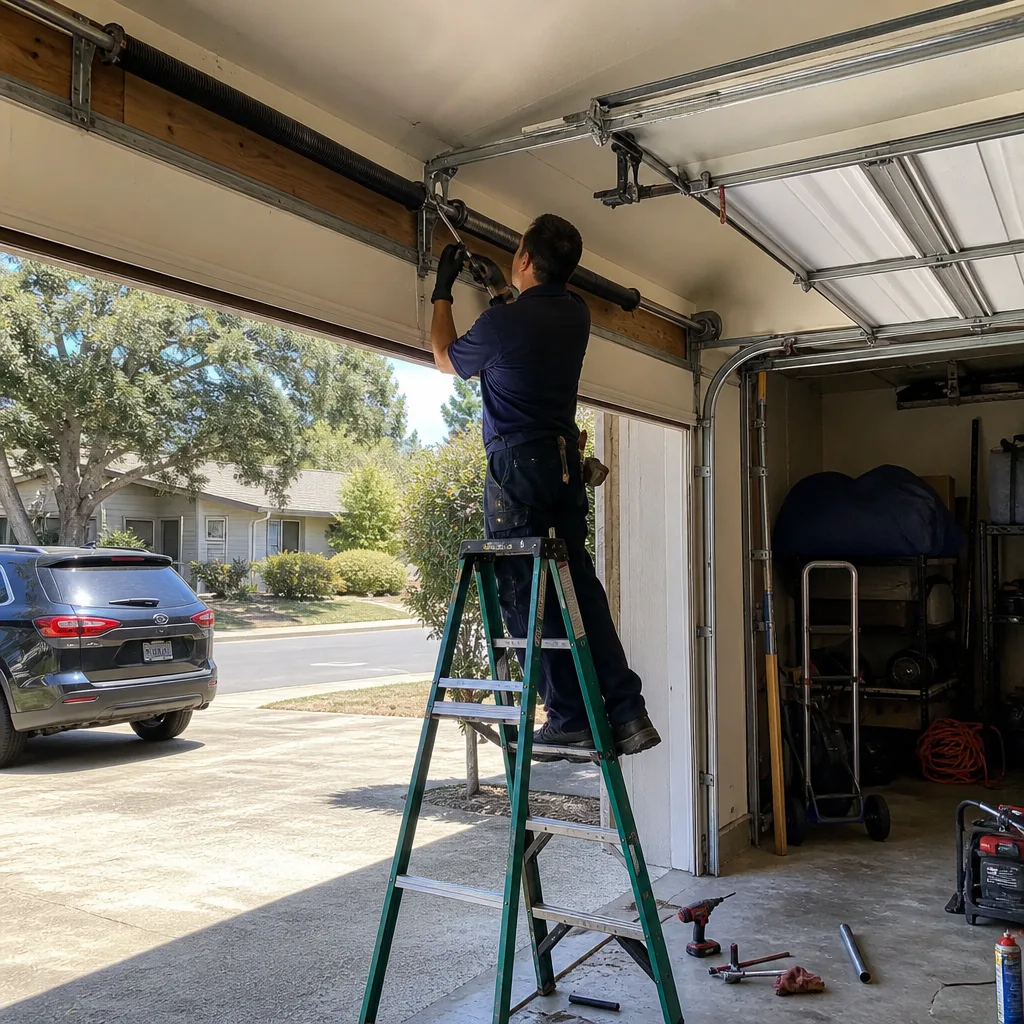
Not every garage door replacement needs a permit. Knowing the threshold - detailed in our guide to Garage Door Permits, Codes & Inspections in CA: What You Need to Know - saves time and prevents the surprise of an inspector’s visit after installation.
When a permit is required in Contra Costa County: Structural modification to the opening (widening, height change, header replacement). Conversion from manual to automatic operation in a detached garage that didn’t previously have electrical service. New construction. Installation of a fire-rated door between garage and living space.
When a permit is not required: Like-for-like replacement of an existing door and opener on the same opening. Panel replacement of damaged sections. Spring, roller, or hardware repair. Opener replacement on existing electrical service.
The gray area: Some municipalities in Contra Costa require permits for any opener installation, even replacement. Walnut Creek generally does not, but we verify current requirements before each job and include permit costs in the written quote when applicable. We’ve handled permit applications for hillside homes in the Upper Happy Valley area where structural engineering was required for the header modification.
What the inspection covers: Proper header support, track attachment to framing, safety sensor alignment and function, auto-reverse sensitivity, emergency release operation. The inspector tests; we document the test results in our photo record for your files.
Brand Ecosystems: What Compatibility Actually Means
We service all eight major brands: LiftMaster, Chamberlain, Genie, Clopay, Amarr, Wayne Dalton, Craftsman, and Raynor. But “service” means different things for different brand relationships.
Opener brands (LiftMaster, Chamberlain, Genie, Craftsman): These are the motor and control systems. Compatibility matters for remote controls, keypad frequency, and smart home integration. Chamberlain and LiftMaster share the MyQ ecosystem; Genie uses Aladdin Connect. We specify based on what our customer already has - adding a fourth app for garage door control is not a selling point.
Door brands (Clopay, Amarr, Wayne Dalton, Raynor): These manufacture the panel sections, track, and hardware. Each has proprietary hinge patterns, track profiles, and window insert designs. A Clopay panel won’t hang on Amarr hardware. This matters for repair: when a panel is damaged, we need to know the brand and model to source a match.
The ecosystem trap: Some contractors push a single brand because of distributor incentives, not because it’s right for the application. We specify Clopay for customers who want the widest range of panel styles and insulation options. We specify Amarr for commercial-grade durability in heavy-use applications. The choice follows the need, not the rebate.
Parts availability in Walnut Creek: We stock common springs, rollers, cables, and sensors for all major brands. For proprietary components - Wayne Dalton TorqueMaster springs, Raynor custom track - we order with stated lead times in the quote. No surprises.
Maintenance That Prevents Emergency Calls
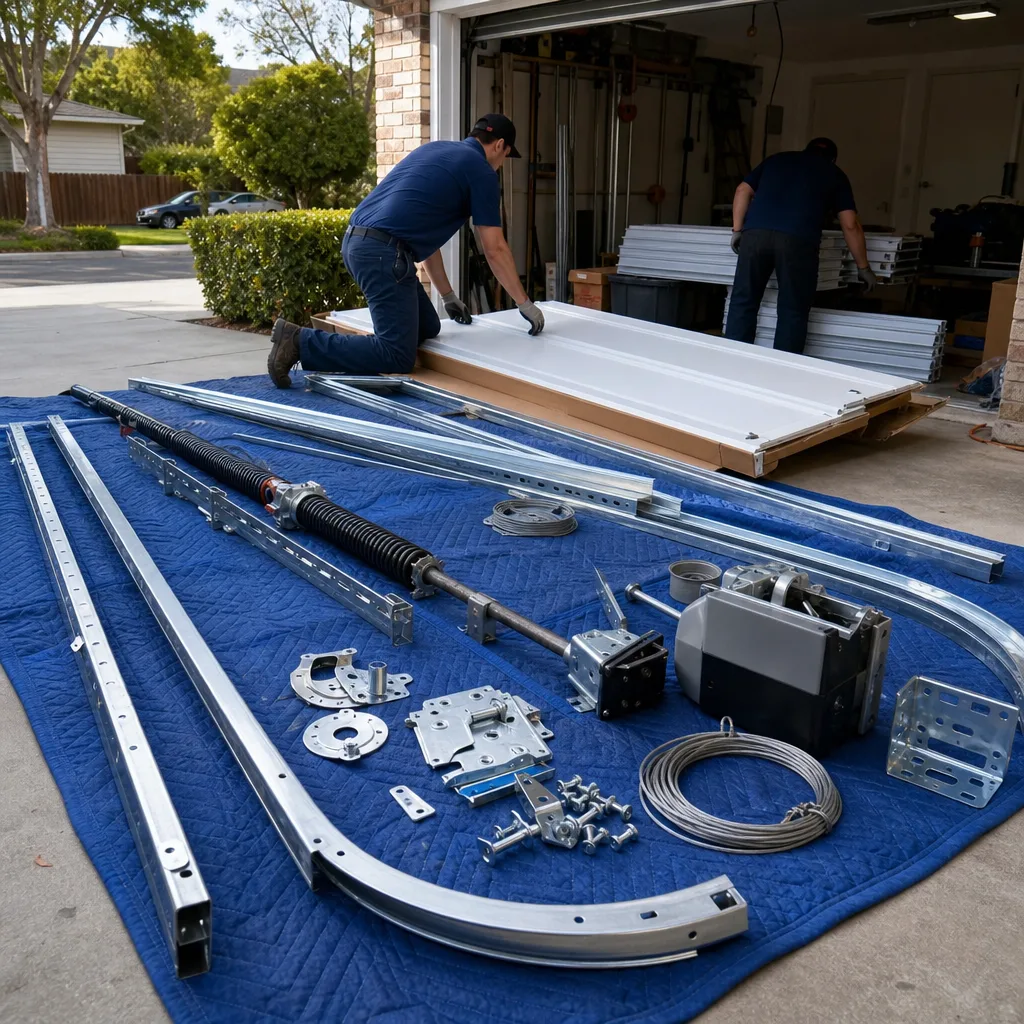
The 18,000+ garage doors we’ve made right since 2015 include thousands that didn’t need repair - they needed maintenance. Here’s what prevents the 10 PM call that the door won’t close, and you’ll find more guides & resources on our blog.
Monthly: Visual inspection of cables for fraying, springs for coil separation, rollers for wobble or binding. Listen for grinding, scraping, or irregular motor strain. Test auto-reverse with a 2×4 placed flat on the floor - the door should reverse on contact.
Quarterly: Lubricate rollers, hinges, and spring coils with silicone-based spray, not WD-40. WD-40 is a solvent, not a lubricant; it strips the protective coating and attracts dust. Check door balance: disconnect the opener and lift manually to the halfway point. A balanced door stays put. A falling door has spring fatigue.
Annually: Professional inspection of spring torque, track alignment, opener force settings, and safety sensor function. We document this with our photo record - the customer sees what we see. In Walnut Creek’s dry climate, we also check for UV degradation of weatherstripping and bottom seal, which hardens and cracks faster than in humid regions.
The Diablo wind check: After each significant wind event, inspect the top section for bowing and the track for loosened lag bolts. The expansion and contraction of framing in thermal cycling works fasteners loose over time. Caught early, it’s a $15 hardware fix. Caught late, it’s a panel replacement.
Common Mistakes to Avoid
- Guessing the door weight. Every spring calculation starts with an accurate measurement. A contractor who sizes by door dimensions alone is estimating, not engineering. In Walnut Creek, we’ve found 16×7 doors that weighed 140 lb and others that weighed 220 lb - same size, different construction.
- Ignoring wind load. The Diablo winds are real, and they’re not gentle. A door without adequate struts or wind load rating will fail structurally before the spring wears out. We’ve replaced top sections in the Castle Hill and Lakewood areas where this was overlooked.
- Buying on price per square foot. This metric ignores spring quality, track gauge, hardware grade, and installation detail. A $1,200 door with undersized components costs $2,800 by year five. We show the component specs in writing so the comparison is real.
- Assuming all polyurethane is equal. Density matters: 2 lb/ft³ adheres and insulates; 1 lb/ft³ is filler that settles and voids. Ask for the number. We specify it on every quote.
- Neglecting the safety sensors. Misaligned or dirty sensors cause more “emergency” calls than actual failures. The fix takes five minutes. The dispatch fee costs more. We teach customers to check this before calling.
- Accepting verbal warranties. The 365-Day Done Right Promise is in writing, with terms, traceable to The Haven Standard. A handshake warranty is unenforceable. Our documentation system exists because we intend to honor what we promise, and we want you to have proof.
When to Call a Professional
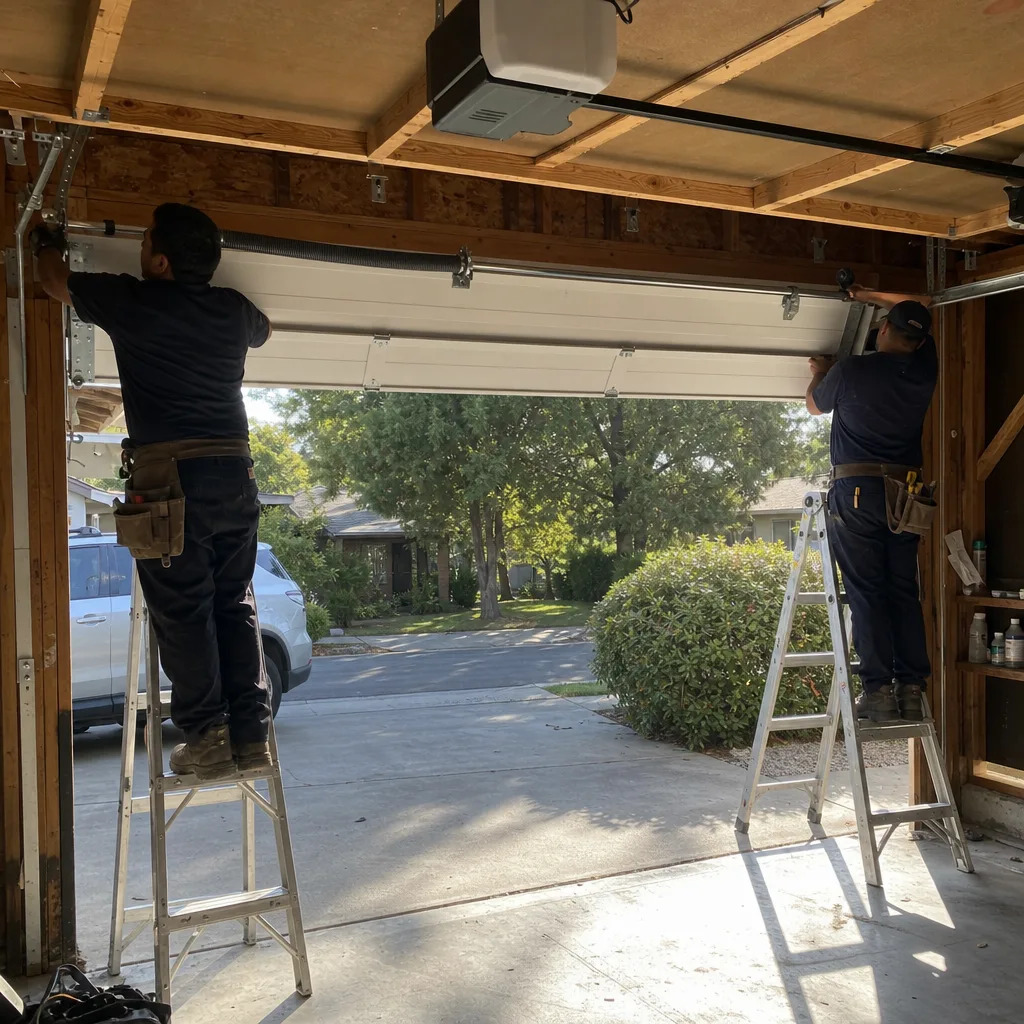
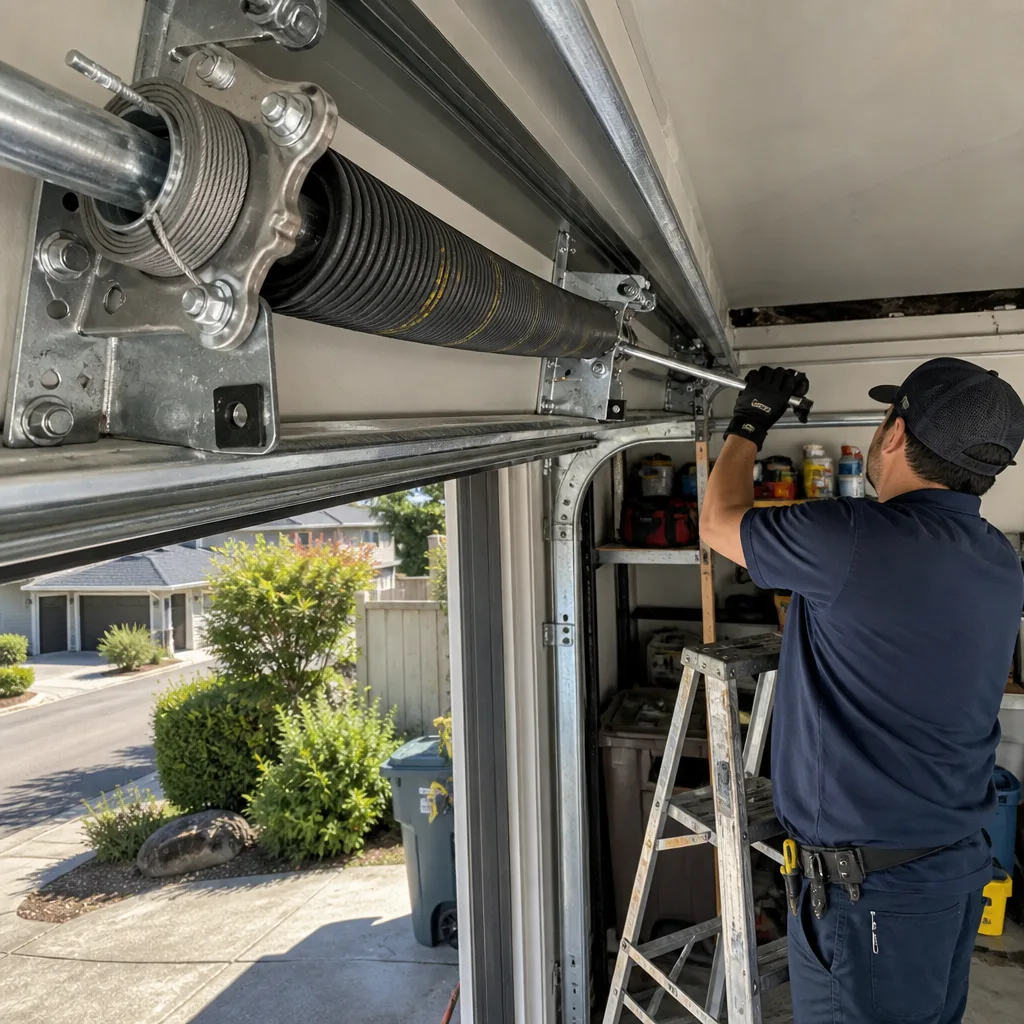
Some situations require trained technicians with proper tools. High-tension spring work is genuinely dangerous - the stored energy in a wound torsion spring can cause serious injury. Cable replacement on extension springs requires containment procedures. Door off-track situations often involve bent track or damaged rollers that need assessment before forcing the door closed.
Call when the door is unbalanced, the opener strains, the auto-reverse fails testing, or you hear metallic grinding that wasn’t there before. Call after any impact damage, even if the door still operates - structural compromise isn’t always visible from the outside.
Servo Garage Doors Walnut Creek offers free estimates in Walnut Creek - call (510) 390-9102. A technician arrives with a scale, a camera, and a written quote process. No urgency, no pressure, just the documentation you need to decide.
Frequently Asked Questions
A new steel garage door with polyurethane backing, installed, typically ranges from $1,400 for a basic 8×7 single door to $3,200 for a premium 16×7 with insulation, windows, and heavy-duty hardware. Opener installation adds $350-$800 depending on horsepower and features. We provide itemized written quotes before any work begins - call (510) 390-9102 for an exact figure.
A properly specified torsion spring rated for 10,000 cycles lasts 7-10 years with average use. The dry heat here doesn’t degrade the spring directly, but thermal cycling of the door hardware increases wear on supporting components. We specify oil-tempered wire for our Walnut Creek installations, which handles thermal stress better than galvanized. If your spring fails in under five years, the original specification was likely wrong.
Not for a like-for-like replacement on the same opening. You need a permit if you’re modifying the opening size, replacing the header, adding a fire-rated door to living space, or installing electrical service for a first-time automatic opener. We verify current requirements for each job and include permit costs in the written quote when applicable.
A 16×7 steel door weighing 150-200 lb needs 3/4 HP minimum. A 1 HP unit runs cooler and lasts longer, with an upfront cost difference of roughly $100. We calculate based on actual door weight and panel count, not guesswork. Oversizing is not waste - it’s insurance against premature failure.
Most often: misaligned or dirty safety sensors, excessive opener force setting, or binding in the track. Check the sensor LEDs first - both should be solid, not blinking. Clean the lenses with a dry cloth. If the problem persists, the door may be out of balance or the track may need adjustment. Call for a documented inspection if basic checks don’t resolve it.
We operate under The Haven Standard: written price before any work starts (Clause 1), documented photo record of every visit (Clause 4), and the 365-Day Done Right Promise. Our technicians are background-checked and uniformed, calls are answered by a live person 24/7, and we’ve made right 18,000+ garage doors since 2015 with a paper trail on every one. No urgency tactics, no hidden costs, no handshake warranties.
The Bottom Line
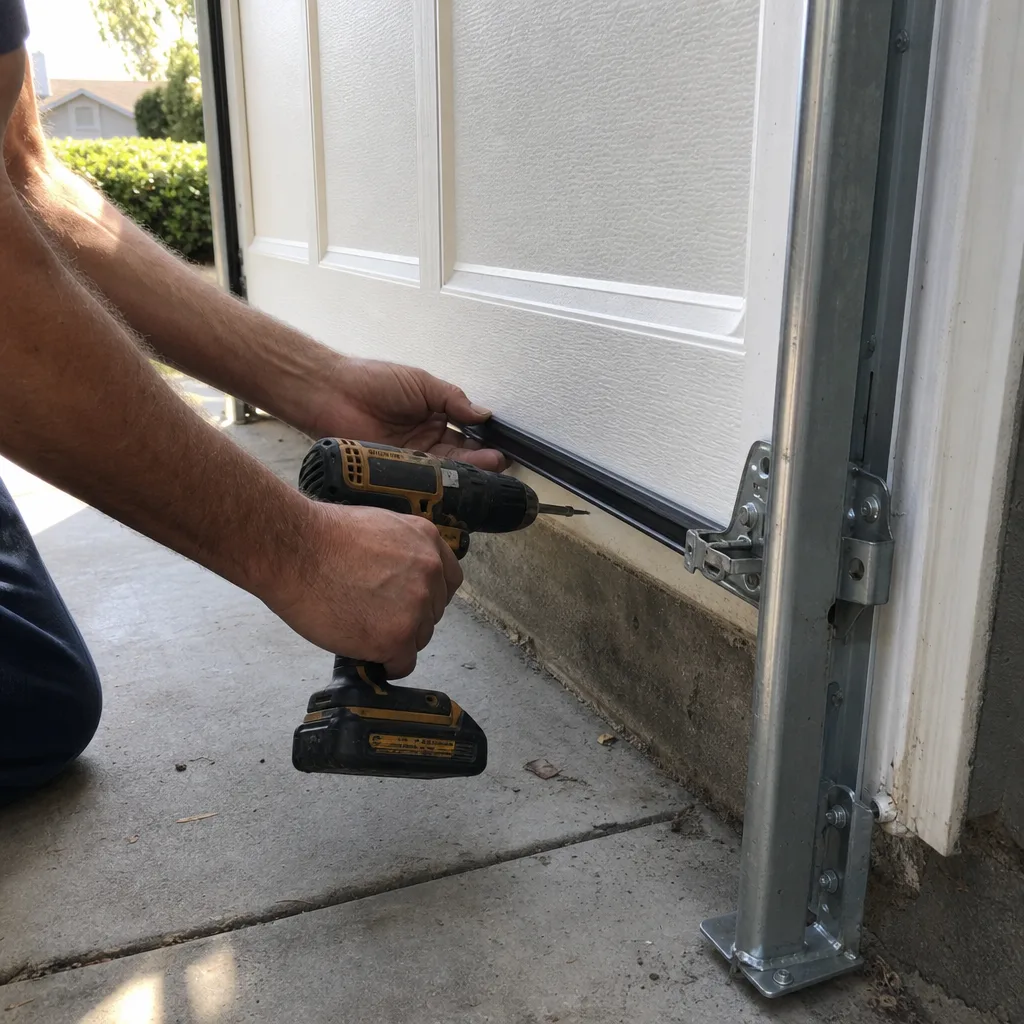
A garage door in Walnut Creek is a system, not a product. The right choice stacks correctly: climate-appropriate material, weight-matched spring, properly sized opener, and a written quote that itemizes every component. One weak layer cascades into the next failure. The homeowner who understands this stack arrives at the contractor conversation armed with the questions that expose shortcuts. At Servo Garage Doors Walnut Creek, we welcome those questions - they’re how we demonstrate that documentation beats promises.
Call (510) 390-9102 for a free estimate. We’ll measure, photograph, and quote in writing before any work begins. That’s Clause 1. The photo record follows. That’s Clause 4. The result is a door that works, documented.
Written by Marcus Deller, Owner at Servo Garage Doors Walnut Creek, serving Walnut Creek since 2015.